 | 3 stories from Russia you haven't read yet | |
| | Hi! This is Mikhail from The New Tab. This spring, The New Tab turned three 🙌🏼
We started as a small newsroom trying to document life in the least transparent country in Europe — and have since become a network that helps other media do the same.
Our goal has always been to surface stories from Russia that others can't see, and to make them readable, usable, and trustworthy.
We're grateful to the editors and journalists who have trusted our authors, published our work, or simply stayed in touch.
Let’s keep making stories that matter, even when they come from far away! 🤍
Here are three stories from Russia you might find interesting. | |
| | Vanishing Houses, Rising Monuments: Russia’s Quiet Transformation Through a Photographers’ Eyes | |
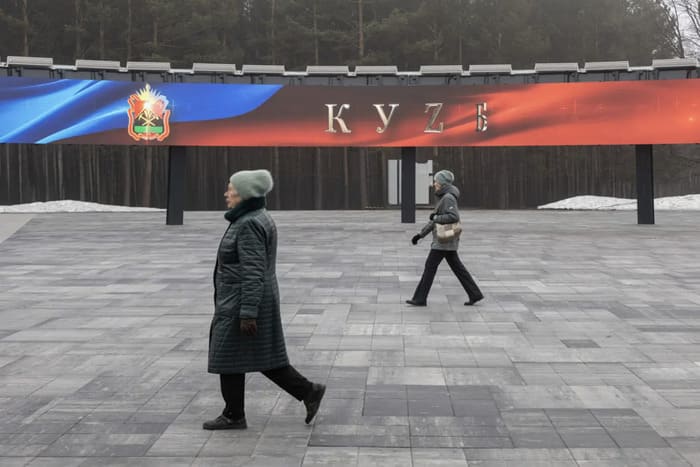
| In the shadows of war and propaganda, Russia’s regions are changing: oil-slicked beaches on the Black Sea, ghost airports in Krasnodar, abandoned wooden houses in Tomsk, and a towering new monument to “labor glory” in a dying coal town. The New Tab’s photographers capture a country in transformation — these images offer a grounded look at how everyday life adapts to pressure, propaganda, and absence. Full photo story | |
| | From Tennessee to Tomsk: A Country Soundtrack to a Vanishing Friendship | |
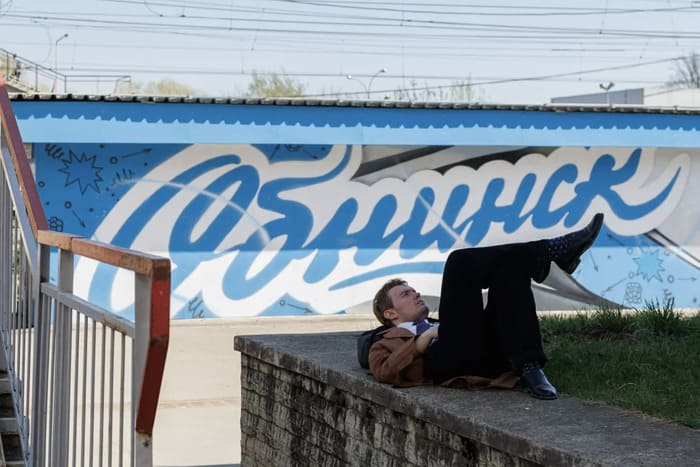
| On the third floor of a Soviet-era cultural centre in Obninsk, a group of teenagers rehearses bluegrass riffs on dobro guitars and mandolins. Once hailed across the American South as musical prodigies from a nuclear town, the country ensemble “Vesyoliy Dilizhans” (The Merry Stagecoach) performed everywhere from Knoxville to Stockholm. Born out of a Cold War-era sister-city pact between Obninsk and Oak Ridge, Tennessee, their improbable rise marked a rare moment of cultural kinship between Russia and the United States. But now, as relations curdle and audiences ask them to “stop playing American songs,” the group navigates a new world where singing in English can feel like a political act—and where international dreams have narrowed to local halls and faded festival posters. Full text in Russian | |
| | When the State Sees Only Your Genitals: Life After Russia’s Gender Transition Ban | |
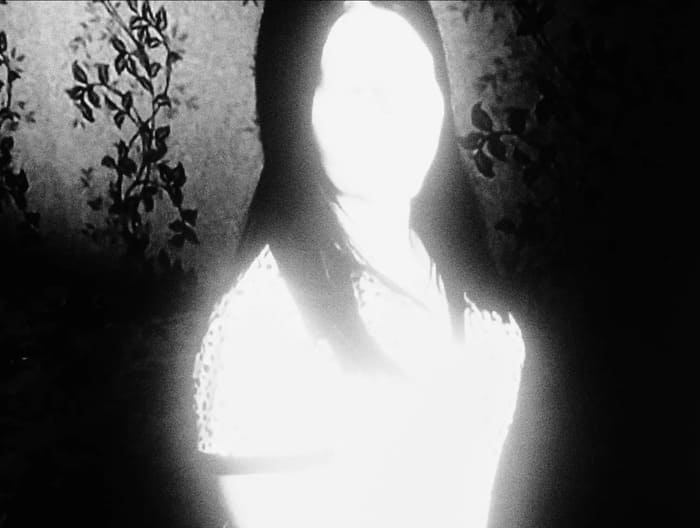
| After Russia outlawed gender transition in 2023, many trans people found themselves trapped between identities: their bodies changed, but their documents remained the same. The New Tab follows trans Russians navigating daily life under the ban — working in military hospitals, hiding breast growth under vests, dodging police, self-medicating with hormones, and fighting for new passports in court. In a country where doctors refuse treatment and officials deny recognition, living authentically becomes a form of resistance. Full text in Russian | |
| That’s all for now! If any of these seem relevant to your work, we’d be glad to talk about translations, reprints and other ways to collaborate — including original reporting under your editorial ownership.Feel free to forward this email to a colleague or an editor who might be interested — we'd love to connect. And get in touch! Until next time, The New Tab Team | |
| You’re reading a special dispatch from The New Tab for media professionals. To comment or ask a question, just write to mikhail@thenewtab.io and we’ll get back to you. If you enjoyed this issue, consider supporting The New Tab with a one-time or recurring donation. The New Tab is a team of independent journalists from across Russia who continue to produce independent reporting under difficult circumstances. Since 2022, we’ve published stories in our media and have also been assisting other media outlets in producing stories from Russia that matter to society. You can help us grow by forwarding this email to anyone who might be interested. | If you no longer wish to receive these emails, you can unsubscribe here. But we’ll be sad to see you go! | |
| |